
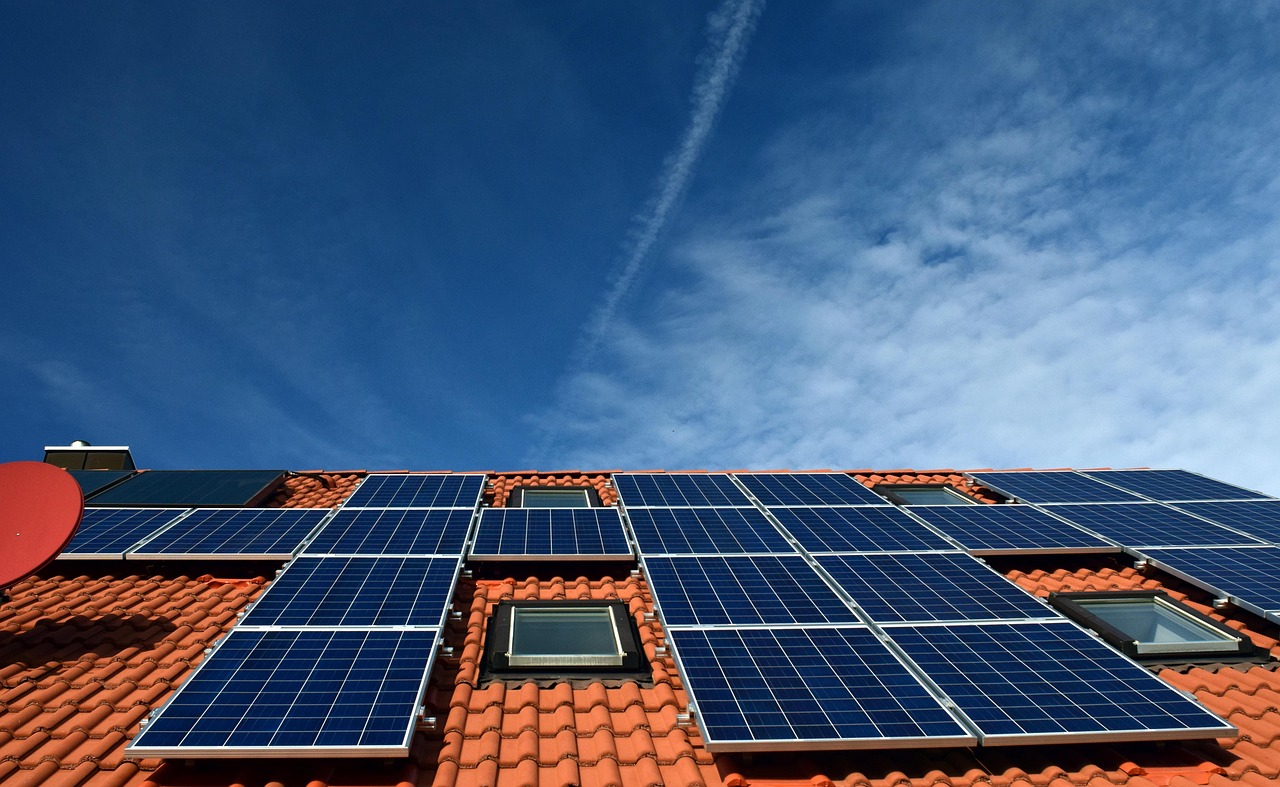
Building integrated photovoltaics BIPV, lets you turn parts of a building—roofs, façades, windows—into electricity-generating surfaces that also perform structural or aesthetic roles. If you want to cut energy costs and embed renewable generation directly into building materials, photovoltaics BIPV gives you a practical way to do both without adding separate solar panels.
You’ll learn how modern BIPV blends technologies like semi‑transparent cells, bifacial modules, and patterned glass with architectural design to meet performance and aesthetic goals. The next sections break down core technologies and design principles, then show how performance, real-world applications, and market trends shape whether BIPV makes sense for your project.
Core Technologies and Design Principles
You will need to balance material performance, how the modules attach to the building, and the visual/thermal behavior of the façade or roof. Focus on module type, physical integration, and design strategies that match your building’s orientation, envelope, and use.
Key Photovoltaic Materials
Select PV materials by weighing efficiency, weight, transparency, and durability. Crystalline silicon (monocrystalline and polycrystalline) offers the highest efficiencies; use them where you need maximum power per area, such as rooftop or opaque façade panels. Thin-film options (CIGS, CdTe, a‑Si) deliver lower efficiency but greater flexibility and lighter weight, which suits curved façades and laminated glazing.
Semi‑transparent and bifacial cells change how you place modules. Semi‑transparent glass-glass laminates let daylight through for interior comfort while producing energy; specify visible light transmittance (VLT) and U-value targets. Bifacial modules capture reflected albedo and increase yield on light-colored hardscapes—model both front and rear irradiance when estimating output.
Also consider encapsulants, frames, and edge seals. Use tempered safety glass for exterior cladding, UV-stable polymers for long life, and corrosion-resistant mounting hardware in marine or polluted environments. Check manufacturer warranties and degradation rates (typically 0.5–1%/yr for quality silicon).
Integration with Building Structures
Plan integration at schematic design to avoid costly rework. Decide whether PV will replace a building element (true BIPV) or mount on top (BAPV-style). If replacing, coordinate with structural engineers for dead load, wind uplift, and thermal movement; many BIPV panels act as cladding, waterproofing, or shading, so meet the corresponding code requirements.
Address electrical routing and access early. Route combiner boxes, inverters, and conduits within conditioned spaces where possible; provide service access for maintenance. Consider thermal implications: PV reduces solar heat gain on façades but can trap heat against the envelope—specify ventilated rainscreen details or integrated cooling channels when needed.
Fire, condensation, and acoustic performance must align with building standards. Use non-combustible backing where codes demand, provide pressure-equalized cavity designs to control moisture, and coordinate acoustic insulation if the BIPV replaces traditional façade layers.
Architectural Design Approaches
Choose an approach that complements your project goals: expressive, subtle, or performance-driven. Expressive designs expose PV as a visible feature—use patterned or colored modules, framed arrays, or solar fins. Subtle integration conceals modules behind cladding or within glazed areas; here prioritize module color matching and minimal frame profiles.
Optimize orientation, tilt, and shading in the massing and site design. For vertical façades, prioritize east/west placement for morning/afternoon generation; for roofs, orient arrays to maximize annual irradiance and consider tilt close to local latitude. Use shading analysis and annual energy modeling to quantify tradeoffs between daylighting, views, and PV yield.
Coordinate materials and finishes so thermal and visual performance align. Specify mounting tolerances, jointing patterns, and integrated gaskets to preserve the architectural intent while meeting waterproofing and fire-resistance requirements.
Performance, Applications, and Industry Outlook
BIPV performance depends on module type, orientation, and building integration strategy. Applications range from rooftop replacements to glazed façades, and market growth is driven by policy, aesthetic demand, and advances in semi‑transparent and bifacial modules.
Energy Efficiency and Output Metrics
You should evaluate BIPV by specific metrics: module efficiency, system-level yield (kWh/m²), and effective performance ratio (PR). Typical crystalline BIPV modules deliver 15–22% cell efficiency; thin‑film and semi‑transparent options are lower but offer daylighting benefits that reduce lighting loads.
Shading, tilt, and thermal coupling with the building envelope change annual output significantly. BIPV façades often produce less per area than optimally tilted roofs, but they offset envelope energy use through insulation and shading. Monitor in situ data for key indicators: irradiance, cell temperature, string voltage, and produced kWh to validate expected payback.
Consider lifecycle metrics you control: embodied carbon per kWh, degradation rate (usually 0.5–1%/year for mainstream PV), and maintenance intervals for integrated wiring and seals. Use these to compare BIPV against separate rooftop PV plus conventional cladding.
Commercial and Residential Use Cases
You can deploy BIPV as roof tiles, curtain walls, skylights, or shading devices depending on architectural goals. In commercial buildings, curtain-wall BIPV and large south-facing façades generate bulk electricity while supporting net-zero certifications and on-site generation mandates.
For residences, BIPV roof replacements and semi‑transparent window modules preserve aesthetics and often qualify for incentives tied to building envelope upgrades. Pay attention to integration details you control: structural load paths, fire ratings, and local code compliance, which affect permitting and insurance.
List of common use cases:
- Retrofit roof-tile BIPV for historic or aesthetic-sensitive homes.
- Office façades with opaque BIPV plus daylight controls to cut HVAC and lighting loads.
- Canopies and pergolas providing generation and weather protection in mixed-use projects.
Future Market Trends
You will see market growth driven by stricter building codes, incentives for net‑zero, and improved manufacturing scale that lowers costs. Forecasts vary; some analyses predict steady CAGR in the single-digit to mid‑teens range depending on region and policy strength.
Technical trends to watch: bifacial modules for vertical applications, semi‑transparent cells for glazing, and integrated thermal-PV (BIPV/T) systems that capture waste heat for space or water heating. Digital design tools and prefabricated BIPV elements will reduce installation labor and integration errors you currently face.
Policy and finance changes will shape adoption rates. You should track local building mandates, feed‑in tariffs, and green building certification incentives, as these often determine project viability before pure LCOE parity is reached.