
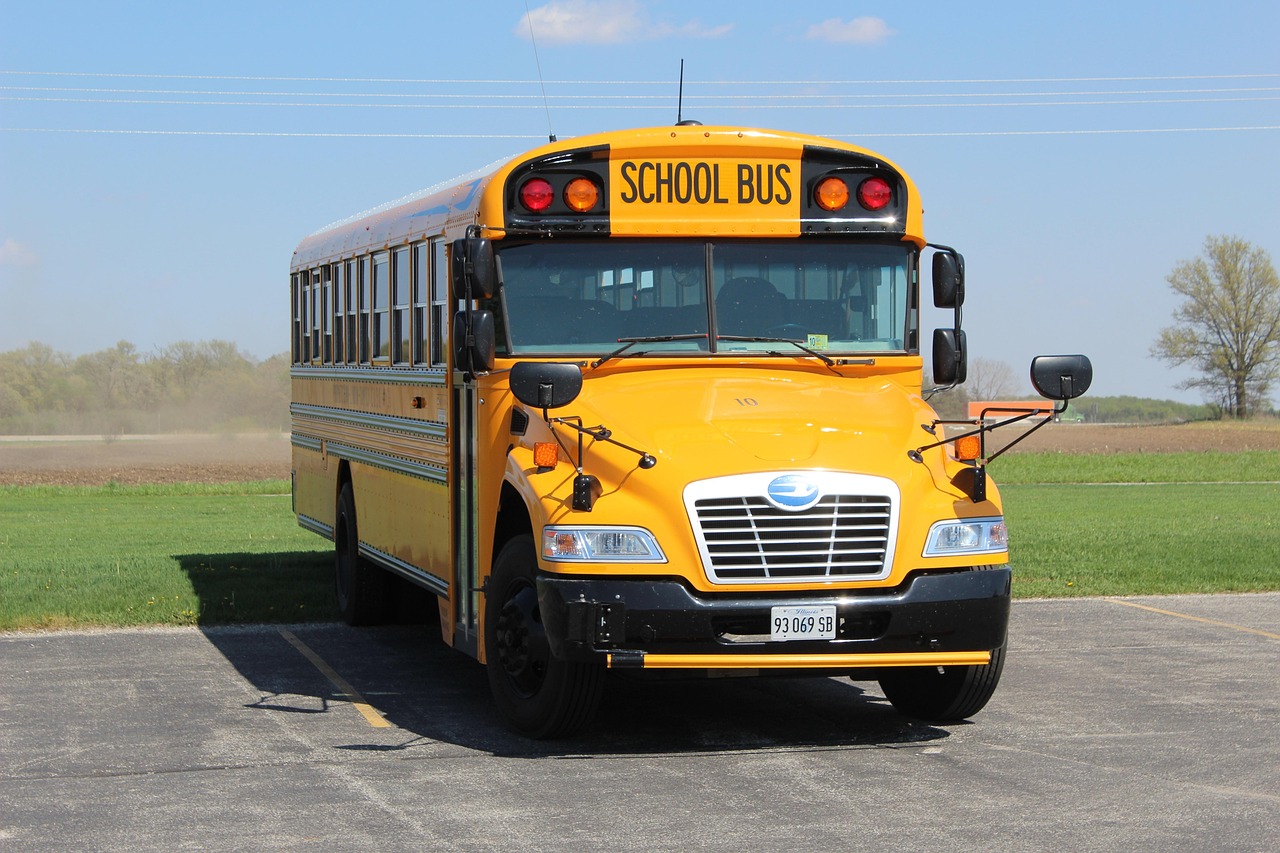
You rely on school bus systems every day to get students to class safely and on time, so understanding how they operate matters more than you might think. School bus transportation combines strict safety standards, coordinated logistics, and local rules to keep millions of students moving reliably—knowing how those pieces fit together helps you evaluate service, safety, and options for your family or community.
This article School Bus Transportation walks through how operations and safety standards shape routes and staffing, what challenges fleets face today, and which innovations are changing the ride. Expect practical details you can use to assess eligibility, track service, and understand how boards and operators work together to solve real-world problems.
Essential Operations and Safety Standards
You need reliable vehicles, trained drivers, and clear passenger procedures to keep trips safe and on schedule. The following subsections describe the specific practices and standards you should implement and monitor.
Fleet Maintenance Practices
Establish a written preventive maintenance schedule that lists daily, weekly, and monthly tasks for each vehicle. Include pre-trip inspections (brakes, lights, tires, horn, emergency exits), oil and fluid checks, and a mileage-based service plan for engine, transmission, and suspension work.
Keep digital maintenance records tied to each bus VIN. Track repairs, parts replacement, inspection results, and recall compliance. Use these records to predict part failure and plan downtime outside peak school hours.
Adopt safety upgrades where applicable: functional exterior stop-arm lights, high-visibility crossing arms, and properly installed student restraints if required by jurisdiction. Conduct annual full-vehicle inspections by certified technicians and document corrective actions within 48 hours.
Driver Training Requirements
Require a commercial or school bus endorsement and background checks including driving record and criminal-history screening. Mandate initial classroom instruction and at least 10–20 hours of behind-the-wheel training that covers defensive driving, loading/unloading procedures, and emergency evacuation drills.
Provide annual refresher training that includes hands-on practice for adverse-weather driving, student behavior management, and first aid/CPR certification. Test drivers on route-specific hazards, such as narrow roads, railroad crossings, and school-zone speed compliance.
Implement performance monitoring: regular ride-alongs, telematics review (speeding, harsh braking), and formal performance evaluations every 6–12 months. Suspend route assignments for drivers who fail critical safety checks until retraining and reassessment are complete.
Passenger Safety Protocols
Define loading and unloading zones with clear signage and painted curbs that place students at least 10 feet from traffic when walking to buses. Use a single designated location for extracurricular pickups when possible to limit uncontrolled stops and reduce exposure to traffic.
Enforce seating policies by age and size when seatbelts or occupant restraints are available; otherwise require students to remain seated and facing forward. Train drivers to use door and mirror checks, and to walk the interior when necessary after stops to ensure no child is left aboard.
Create written emergency procedures for collisions, medical events, and evacuations. Post these procedures in each bus, and conduct student evacuation drills at least twice per school year. Maintain a manifest with contact information and medical alerts for each trip and ensure radios or cellular devices function before departure.
Modern Challenges and Innovations
You will encounter driver shortages, rising fuel and maintenance costs, and growing expectations for safety, equity, and environmental performance. Technology and targeted policy choices are changing how districts respond to those pressures.
Environmental Sustainability Efforts
You can reduce emissions by shifting from diesel to alternative fuels and electric buses. Many districts are deploying battery-electric buses (BEBs) or compressed natural gas (CNG) vehicles; BEBs cut tailpipe emissions entirely and lower maintenance needs but require significant depot charging upgrades and higher upfront costs.
Plan for infrastructure changes. You will need to upgrade electrical service, install chargers, and manage charging schedules to avoid peak demand charges. Consider grants and phased rollouts to spread capital expenses.
Track total cost of ownership (TCO). Compare fuel, maintenance, charging infrastructure, and vehicle lifespan rather than purchase price alone. Use telematics to monitor energy use, idling time, and route-level efficiency to get measurable gains.
Advancements in Routing Technology
You can save time and money with dynamic routing and automated schedule optimization. Modern routing systems use GPS data, student addresses, bell times, and vehicle capacity to generate shorter, safer runs and reduce miles traveled.
Adopt real-time tracking and telematics for both operational control and parent communication. Live bus locations, estimated arrival times, and automated notifications improve reliability and reduce missed pickups.
Integrate data analytics for continuous improvement. Analyze on-time performance, route overlap, and fuel consumption to refine routes. Prioritize tools that support staggered bell schedules, special education routes, and substitute driver constraints.
Accessibility and Inclusivity Solutions
You must meet diverse student needs, including special education, McKinney-Vento (homeless) students, and those in transit deserts. Provide door-to-door services, trained attendants, and adaptive seating for students with mobility or behavioral needs.
Use policy and technology together. Automated rostering, route labeling, and disability-friendly routing parameters make assignments clearer and reduce errors. Train drivers and aides on securement protocols and de-escalation techniques to improve safety.
Address equity gaps by mapping service coverage. Identify underserved neighborhoods and adjust stop spacing, transfer points, or partnerships with public transit to ensure consistent access. Track metrics like ride time, walk distance, and on-time pickups to validate progress.