Thinking about renovations in London? You can transform your space without guesswork by focusing on practical planning, smart design choices, and reliable contractors who understand local building requirements. Start by defining your goals, budget, and timeline so you can make confident decisions about layouts, materials, and trades.
In post Renovations London You’ll find options from full-home overhauls to targeted kitchen, bathroom, or basement projects, and knowing which approach fits your home saves time and money. This post walks through planning a home transformation, choosing materials that balance durability and style, and working with trusted local renovators to get predictable results.
Planning a Home Transformation
You’ll identify what needs changing, set a realistic budget and timeline, and confirm any permits or inspections required. These steps reduce delays, control costs, and ensure your design meets London’s building rules.
Assessing Property Needs
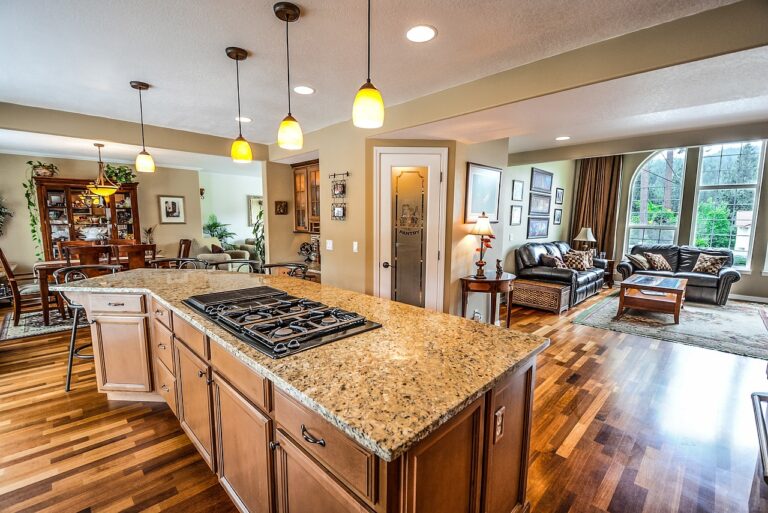
Start by listing functional problems and desired upgrades room-by-room. Note issues like poor insulation, outdated wiring, uneven floors, or lack of storage, plus priority items such as a second bathroom or enlarged kitchen island.
Conduct a quick home audit: measure key spaces, take photos, and record appliance ages and HVAC condition. Hire a licensed home inspector or structural engineer if you suspect foundation, roof, or load-bearing wall concerns.
Rank items by safety, cost-effectiveness, and impact on daily life. Safety and code compliance come first; consider energy-efficiency upgrades (insulation, windows, furnace) that qualify for rebates to lower long-term costs.
Setting Budgets and Timelines
Create a line-item budget: materials, labour, permits, contingencies (min. 10–15%), design fees, and temporary living costs if you’ll relocate during work. Get at least three detailed quotes from licensed contractors in London to compare scope and price.
Estimate timeline per phase—demolition, rough-ins, inspections, finishes—and add buffer time for permit waits and unexpected repairs. Communicate milestone dates in writing and tie payments to completed stages.
Use a simple spreadsheet to track expenses and dates. Revisit your budget after design decisions or contractor proposals to prevent scope creep and maintain control over final costs.
Navigating Building Regulations
Start by checking the City of London building permit requirements for your specific project type—additions, basement apartments, structural changes, and some electrical/plumbing work require permits. Small cosmetic work may not, but confirmations avoid fines.
Gather required documents: drawings, site plan, professional stamps (if structural), and contractor licences. Submit permit applications early; plan for 2–6 weeks for standard permits, longer for complex or heritage-area projects.
Schedule inspections at specified stages (e.g., rough-in, insulation, final). Keep records of permits and inspection approvals; you’ll need them for future resale and mortgage/lending requirements.
Design Choices and Materials
Choose styles and materials that suit your daily use, budget, and the London climate. Prioritise durable finishes, efficient layouts, and options that add long‑term value without unnecessary upkeep.
Modern vs. Traditional Styles
Decide whether you want clean lines or character details before you order finishes. For a modern look, pick handleless cabinetry, engineered quartz worktops, and matte black or chrome fittings. These materials resist staining and simplify cleaning, which matters if you cook frequently or have children.
For a traditional scheme, use solid wood doors, honed stone surfaces, and brass or polished nickel hardware. Expect higher maintenance on natural timber and softer stones; plan sealed finishes and scheduled oiling every 1–3 years to protect joinery.
Mixing styles works if you fix on a unifying element: light colour palette, consistent trim profile, or repeated metal finish. Use a single flooring material through adjacent spaces to maintain flow. Ask your contractor for sample boards to test how materials look under London’s diffuse light.
Selecting Sustainable Options
Pick materials that reduce waste and lower running costs over time. Choose FSC‑certified timber, low‑VOC paints, and engineered wood flooring made with recycled content. These choices cut indoor pollution and improve resale appeal in London markets.
Upgrade insulation—cavity, loft, and underfloor—before changing finishes to cut energy use. Specify A‑rated windows and a condensing boiler or heat pump where feasible; these reduce bills and meet many local building standards. When possible, source locally to shrink transport emissions and ease replacement matching.
Request environmental product declarations (EPDs) for key items and keep receipts for warranty and compliance. Your contractor should recycle demolition waste and provide a run‑down of expected embodied carbon for major elements.
Maximising Space and Light
Prioritise natural light with enlarged windows, glazed doors, or rooflights in darker rooms. Fit slimline double‑glazing with thermally broken frames to improve light while keeping heat loss low in cooler months.
Open up sightlines by removing non‑structural partitions and using pocket doors or full‑height cabinetry. Choose built‑in storage solutions—under‑stair drawers, toe‑kick drawers, and floor‑to‑ceiling wardrobes—to free floor area and reduce clutter.
Select light, reflective surfaces: pale matte paint, large‑format tiles, and low‑profile skirting. Combine layered artificial lighting—task, ambient, and accent—with dimmers to control mood and reduce energy use. For tight budgets, updating door and window hardware and repainting trims often yields the biggest perceived gain in space and brightness.