
Planning Home Renovations London Ontario can feel overwhelming, but you can simplify the process by focusing on the projects that add the most value and suit your lifestyle. Target kitchen, bathroom, and basement upgrades if you want the best mix of comfort, resale value, and practical return on investment in this market.
You’ll learn how to evaluate project scope, pick local contractors who know regional codes and suppliers, and choose materials that balance cost, durability, and style. Keep reading to get clear guidance on the types of renovations that pay off and how to hire the right professionals for work across London and nearby communities.
Essential Types of Home Renovations
Focus on projects that improve daily use, increase property value, and lower operating costs. Prioritize durable materials, proper permits, and contractors licensed for London, Ontario work.
Kitchen Redesign and Upgrades
A kitchen remodel usually delivers the biggest lifestyle and resale impact. Consider a layout change (island addition, open plan, or relocating appliances) to improve flow and work triangle efficiency.
Choose cabinets with soft-close hinges and full-extension drawers for durability and storage access. Select quartz or engineered stone countertops for low maintenance and consistent performance in London’s seasonal climate.
Upgrade to a 30–36 inch depth, 400–600 CFM range hood if you cook frequently; proper ventilation protects finishes and indoor air. Swap old appliances for ENERGY STAR models to cut energy use and improve noise and performance.
Plan lighting with layered solutions: recessed task lighting over prep areas, under-cabinet strips, and a central pendant over an island. Budget 10–20% of project cost for unforeseen updates to plumbing or electrical behind walls.
Bathroom Enhancements
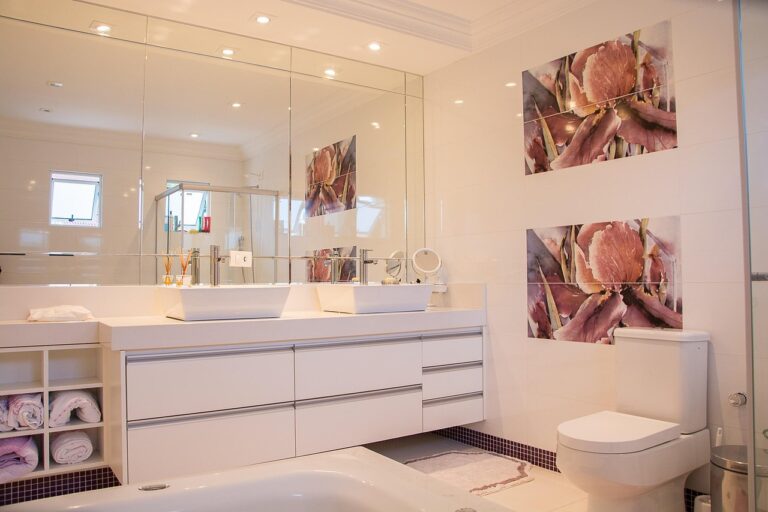
Focus on functional upgrades: replace inefficient toilets and faucets, re-tile wet areas, and install a properly sloped shower pan to prevent leaks. Choose a comfort-height toilet and anti-scald mixing valves for safety and daily comfort.
Opt for porcelain or large-format tiles on floors and walls to reduce grout lines and simplify cleaning. Consider a prefabricated curb-less shower or barrier-free entry if aging-in-place is a priority.
Improve ventilation with a fan rated for the bathroom size (CFM equals room area in square feet); add a humidity-sensing timer to reduce mold risk. Replace old vanities with moisture-resistant materials and drawers that maximize organization.
Allocate budget for waterproofing membranes under tile and confirm contractor familiarity with local permit requirements for plumbing relocations.
Basement Finishing Options
Decide between a recreational space, rental unit, or utility/ storage setup based on your goals and zoning rules in London. For a legal basement suite, include a separate entrance, egress windows, a kitchen or kitchenette, and independent HVAC or metering where required.
Address moisture and insulation first: install a perimeter drain or sump pump if needed, and use closed-cell spray foam or rigid foam on exterior walls to control condensation.
Frame walls with metal or pressure-treated bottom plates to resist rot. Run electrical and plumbing to code, and include adequate egress (window wells or doors) for each bedroom. Finish with durable flooring like luxury vinyl plank and LED lighting to keep maintenance low and durability high.
Energy Efficiency Improvements
Target the building envelope: add attic insulation to R-60 (or local code recommendation), seal gaps around windows, and upgrade to low-E, double- or triple-pane replacement windows to reduce heat loss.
Insulate exposed basement rim joists and service penetrations to reduce drafts and condensation risk. Replace older furnaces with high-efficiency condensing models (AFUE ≥ 95%) and consider a heat pump for combined heating and cooling benefits.
Install a smart thermostat and zoned controls to cut heating costs and improve comfort. Upgrade to LED lighting and ENERGY STAR appliances; track expected payback and available Ontario incentives or rebates before committing.
Choosing Local Contractors and Materials
Decide which trades you need, set a clear budget and timeline, and prioritize contractors who carry required Ontario licenses and insurance. Confirm material availability locally to avoid delays and added freight costs.
Selecting Qualified Renovation Professionals
Look for contractors with a valid Business Number and WSIB coverage for workers in Ontario; ask for certificates before signing. Request proof of liability insurance and a written contract that specifies scope, payment schedule, warranty terms, and change-order process.
Check trade-specific credentials: licensed electrical, plumbing, and gas work must be performed by certified technicians. Call local references and recent clients in London, ON, and verify projects similar in size to yours.
Get at least three written bids with line-item breakdowns so you can compare labor, materials, permit fees, and contingencies. Avoid bids that are unusually low; ask how they handle subcontractor delays and material shortages.
Sourcing Quality Materials in London
Choose suppliers with local showrooms or warehouses in London or nearby to inspect finishes and verify stock. Ask suppliers for lead times, batch numbers (for tiles and countertops), and return policies to prevent mismatched materials during installation.
Prioritize materials rated for Ontario climate and indoor air quality, such as low-VOC paints and moisture-resistant backer boards in basements. For kitchens and bathrooms, request samples of countertops, cabinet veneers, and flooring to test color and durability under your lighting.
Negotiate delivery windows and staging areas to reduce labour downtime. Consider local suppliers listed by London renovation firms and check BBB or customer reviews for reliability.
Evaluating Portfolios and Past Projects
Ask to see full project portfolios, not just curated photos; request before-and-after images and issue-resolution examples. Look for projects completed in London or similar Ontario homes to assess how the contractor handled local permit processes and climate-related challenges.
Visit at least one recent job site with the contractor’s permission to observe workmanship, cleanliness, and adherence to safety standards. Talk with former clients about communication, adherence to schedule, and whether the final cost matched the estimate.
Evaluate consistency across projects: uniform finishing details, tight joints, aligned trim, and well-integrated plumbing/electrical fixtures indicate quality control. Keep a simple comparison table of contractors showing license status, warranty length, local references, and average completion time to aid your decision.