
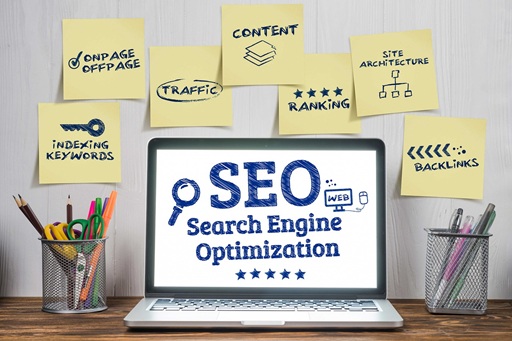
You want an SEO agency that moves your site up search rankings and brings measurable traffic and leads. A strong agency builds a tailored strategy, executes technical fixes, creates high-quality content, and reports on real results so you see growth instead of promises.
This article breaks down the core services agencies offer, how they measure success, and practical criteria to help you choose the right partner for your goals. Expect clear guidance on what to demand, what questions to ask, and how to spot agencies that deliver.
Key Services Offered
You’ll find services that shape strategy, improve on-page content and UX, and fix technical issues that block indexing and ranking. Expect measurable deliverables like keyword targets, content briefs, crawl-error reports, and implementation roadmaps.
Custom SEO Strategies
A custom SEO agencies strategy aligns with your business goals, traffic targets, and available resources. An agency will start with competitor analysis, keyword research specific to your product and market, and a prioritized action plan with short- and long-term milestones.
Deliverables often include a keyword mapping document, content calendar tied to intent and funnel stage, backlink outreach targets, and KPI definitions (organic sessions, conversion rate, target rankings). You should get timelines and resource assignments so you know who does what and when.
Good strategies also specify testing plans: A/B tests for title tags and meta descriptions, content experiments, and tracking templates for attribution. This lets you measure impact and iterate on tactics instead of guessing.
On-Page Optimization
On-page work targets pages that drive traffic and conversions. The agency audits and rewrites title tags, meta descriptions, headings, and body copy to match high-value keyword intent and improve click-through rates.
They also optimize internal linking and URL structure to distribute authority and guide users toward conversion pages. You’ll receive content briefs with target keywords, suggested word counts, header structures, and examples of semantic terms to include.
Technical on-page items include schema markup (product, FAQ, review), image compression and alt text, and mobile-friendly layout adjustments. Deliverables usually come as a prioritized task list plus before/after traffic and ranking snapshots.
Technical SEO Audits
Technical audits identify issues that prevent search engines from crawling, indexing, or understanding your site. An audit covers crawl errors, XML sitemaps, robots.txt rules, canonicalization, pagination, and hreflang where applicable.
You’ll get a site-speed assessment with actionable fixes like server response improvements, resource deferral, and image optimization. The audit flags JavaScript rendering issues and provides a plan to ensure critical content loads without blocking crawlers.
Reports include a prioritized technical task list with estimated effort, impact scores, and testing steps. Implementation support often follows, with verification and regression checks to confirm issues are resolved.
Choosing the Right Partner
Evaluate concrete proof of past results, clear communication expectations, and domain-specific knowledge before committing. Prioritize measurable KPIs, transparent reporting cadence, and experience with businesses like yours.
Industry Experience
You should verify the agency’s track record in your industry, not just general SEO. Request case studies that show similar business models, target audiences, and revenue outcomes. Look for examples that include baseline metrics, the tactics used, and the timeframe for results.
Check whether the team understands your sales cycle and regulatory constraints. For e-commerce, confirm experience with product schema, category-level optimization, and conversion rate testing. For B2B, confirm experience with content strategies for long sales cycles and account-based targeting.
Ask for client references you can contact. Confirm they handled technical SEO, content production, and link acquisition relevant to your market. If the agency lacks direct experience, assess how quickly they can demonstrate applied knowledge through a short pilot project.
Performance Metrics
You must define success with specific KPIs tied to business outcomes. Prioritize metrics like organic revenue, leads qualified for sales, and conversion rate by landing page over vanity metrics such as raw ranking counts.
Insist on baseline benchmarks and time-bound targets. A useful reporting set: organic sessions, goal completions (or MQLs), revenue attributed to organic, and page-level CTR changes. Request a dashboard cadence—weekly for critical issues, monthly for trend analysis, and quarterly for strategy reviews.
Clarify attribution methodology up front. Ask whether they use last-click, data-driven models, or multi-touch attribution and how they handle cross-channel effects. Require transparency about tests that fail and adjustments made as a result.
Client Communication
Set expectations for points of contact, meeting frequency, and deliverable formats before signing. Decide whether you want a dedicated account manager, weekly tactical calls, and monthly strategic reviews.
Require a written communication plan that lists report contents, delivery dates, and escalation paths for urgent issues. Prefer agencies that provide a shared workspace or dashboard for real-time project status and task ownership.
Assess responsiveness during the proposal stage. If initial replies are slow or vague, communication will likely degrade after onboarding. Agree on revision rounds, approval SLAs, and how major strategy pivots will be documented and approved.