
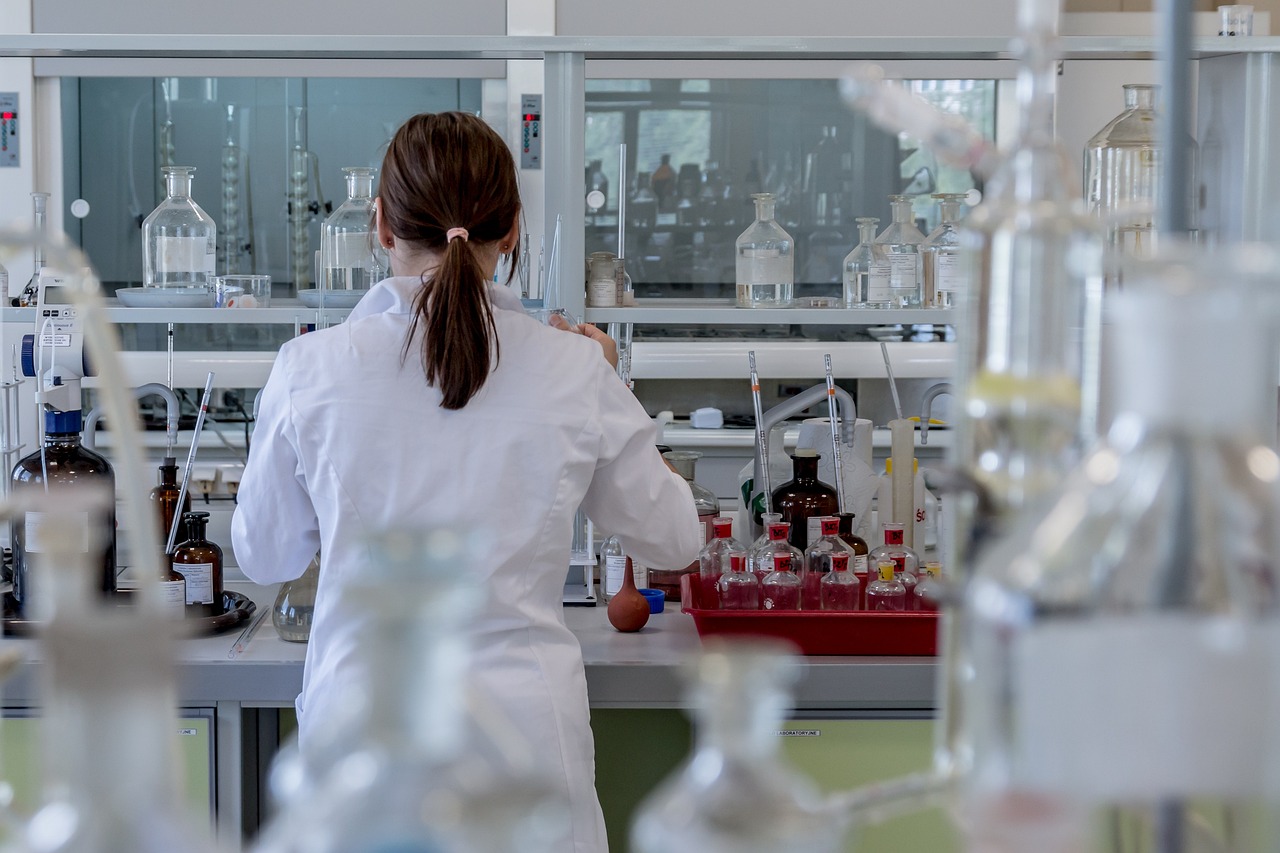
You rely on precise, dependable lab equipment to get accurate results and keep experiments safe. Choose the right instruments and maintain them properly, and you’ll cut errors, save time, and extend the life of costly gear.
This post guides you through common types of laboratory instruments, how to use them correctly, and simple maintenance practices that prevent problems before they start. Expect practical tips on selection, routine care, and troubleshooting so your work stays efficient and reproducible.
Types of Laboratory Instruments
You will encounter instruments that measure precisely, tools that prepare and process samples, and devices that analyze composition and structure. Each group serves specific steps in workflows from sample receipt to data output.
Essential Measurement Devices
You rely on balances, pipettes, and thermometers for basic quantitative control. Analytical balances deliver milligram-to-microgram precision for weighing reagents and samples; use calibration weights and keep the draft shield closed while measuring. Pipettes (single-channel and multichannel) handle microliter-to-milliliter volumes; regularly verify accuracy with gravimetric checks and replace tips to avoid contamination.
Include pH meters and conductivity meters when you need solution properties; calibrate pH meters daily with at least two buffers. Temperature probes and incubators maintain and monitor thermal conditions—use traceable thermometers and log temperature data for reproducibility. These devices form the foundation of valid, repeatable lab work.
Sample Preparation Tools
Preparing samples correctly prevents downstream errors and improves analytical accuracy. Centrifuges separate solids and liquids; match rotor type to tube size and observe speed (RPM/RCF) limits. Vortex mixers, sonicators, and homogenizers break up tissues, mix suspensions, or disperse particles—select intensity and duration to avoid sample heating or degradation.
For dilution and filtration use glassware and membrane filters; choose pore size based on particulate size and chemical compatibility. Autoclaves sterilize and decontaminate reusable items—pack loads loosely and validate cycles with biological indicators. Maintain maintenance logs for each instrument to ensure consistent sample integrity.
Analytical Equipment
Analytical instruments convert prepared samples into quantitative or qualitative data. Spectrophotometers measure absorbance or transmittance for concentration assays; select the correct wavelength and use matched cuvettes. Chromatographs (GC, HPLC) separate complex mixtures—optimize column type, mobile phase, and detector settings for resolution and sensitivity.
Use microscopes (optical, fluorescence, electron) for structural and morphological analysis; choose objectives and staining methods to reveal target features. Mass spectrometers identify molecular masses and structures when paired with chromatographic separation. Follow manufacturer SOPs, run standards and blanks, and review instrument performance metrics before each analytical batch.
Best Practices for Use and Maintenance
Focus on correct handling, scheduled cleaning, and secure storage to maintain accuracy, extend equipment life, and reduce downtime.
Proper Handling Procedures
Handle instruments using manufacturer-specified grips and support points. For microscopes, carry with two hands—one on the arm, one under the base. For centrifuges, always balance rotors with matching tubes; rotate sample positions rather than rely on weight differences.
Follow setup checklists before each use. Verify electrical cords, calibration stickers, and fluid levels; log any discrepancies in the equipment record. Use only recommended consumables and avoid makeshift adapters that stress connectors.
Limit exposure to shocks, vibration, and extreme temperatures. Transport sensitive devices in padded cases and secure loose parts. When adjusting settings, make incremental changes and document baseline parameters to allow rollback.
Train all users on one standard operating procedure (SOP). Include emergency shutdown steps and contact info for repairs. Require signed competency records before granting unsupervised access.
Routine Cleaning Guidelines
Establish daily, weekly, and monthly cleaning tasks tied to each device. Daily tasks include wiping work surfaces and touchpoints with manufacturer-approved disinfectants. Weekly tasks might include inspecting seals and filters; monthly tasks often include deeper internal cleaning per the user manual.
Use only solvents and detergents listed by the manufacturer. Test new cleaning agents on a small, inconspicuous surface first. Avoid submerging electrical components; instead use lint-free wipes or swabs dampened with approved solutions.
Document every cleaning event in the maintenance log, noting agent used, concentration, and person performing the task. Record any signs of corrosion, residue, or component wear. If you encounter contamination or chemical exposure, follow your lab’s spill and decontamination procedures immediately.
Schedule professional servicing for complex equipment (HPLCs, spectrometers) at manufacturer-recommended intervals. Keep a supply of spare parts prone to wear, such as seals and filters, to minimize downtime between services.
Safe Storage Solutions
Store equipment in environments that match manufacturer temperature and humidity ranges. Use climate-controlled cabinets or rooms for optics, electronics, and reagents that degrade with moisture. Post acceptable ranges on the storage area door.
Organize storage by frequency of use. Place daily-use items at eye level for easy access and heavy items on lower shelves. Label shelves with contents and date-of-last-service to speed audits and reduce handling errors.
Protect delicate instruments with dust covers and padded supports. Lock cabinets for hazardous or calibration-sensitive devices and maintain a checkout log for shared items. For batteries and volatile reagents, follow specific storage regulations and keep them isolated from heat sources.
Implement an inventory system that tracks serial numbers, calibration due dates, and location. Set automated reminders for calibration, preventive maintenance, and replacement of consumables to prevent unexpected failures.