
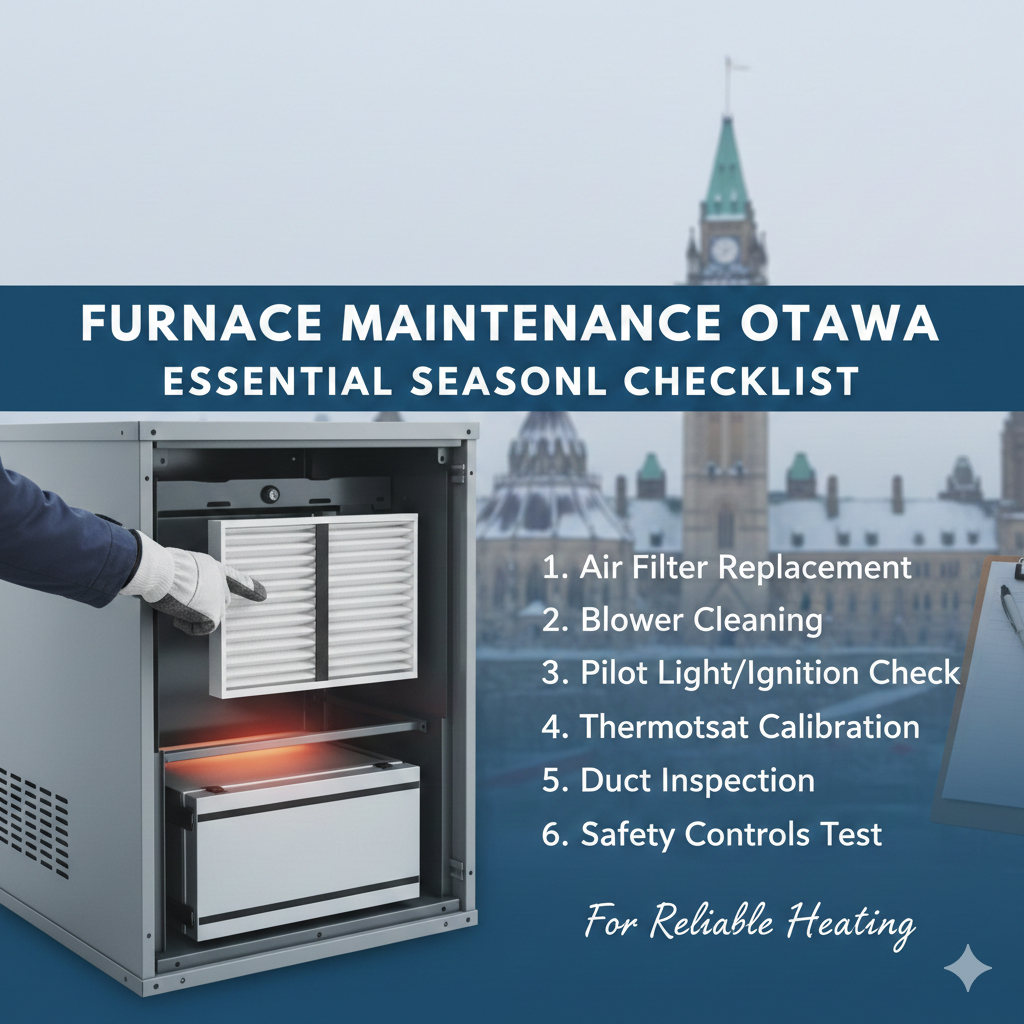
Hvac System Maintenance keeps your home comfortable, lowers energy bills, and prevents costly breakdowns by catching small problems early. A few regular checks—cleaning or replacing filters, inspecting electrical connections, verifying refrigerant levels, and clearing drains—will keep your system running efficiently and extend its service life.
You’ll find practical steps to build a simple preventive routine, ways to measure and improve performance, and clear signs that mean it’s time to call a pro. Follow these straightforward actions and you’ll spend less time troubleshooting and more time enjoying steady, reliable heating and cooling.
Core Preventive Measures
Maintain clean filters, keep coils and drainage clear, and verify tight, corrosion-free electrical connections. These steps reduce energy use, prevent breakdowns, and extend component life when done on a regular schedule.
Filter Replacement Guidelines
Replace disposable filters every 1–3 months depending on filter MERV rating, household occupancy, and pets. High-efficiency (MERV 8–13) filters trap more particulates but load faster; check monthly during heavy use seasons.
Use a simple checklist when changing filters:
- Turn off the system at the thermostat or breaker.
- Note airflow direction printed on the filter frame.
- Install the correct size and MERV rating recommended by the manufacturer.
If you have allergies or multiple pets, choose a higher-MERV filter and replace every 30–45 days. For single-occupant homes with low dust, 90-day intervals can be acceptable for lower-MERV filters. Record replacement dates to maintain consistency.
Cleaning Coils and Components
Evaporator and condenser coils should be inspected and cleaned at least once per year; clean more often if you run the system continuously or live near pollution sources. Dirty coils reduce heat transfer and force the compressor to work harder, increasing energy use and wear.
Basic cleaning steps:
- Turn off power at the breaker.
- Vacuum fins gently with a soft brush attachment.
- Use a manufacturer-approved coil cleaner and rinse with low-pressure water for condenser coils.
- Straighten bent fins with a fin comb and clear the condensate drain to prevent clogs.
Replace or clean drain pan and condensate lines quarterly in humid climates to avoid microbial growth. If coils are heavily corroded or coated with oily residue, schedule professional service to avoid damage.
Inspecting Electrical Connections
Inspect electrical components every 6–12 months for tightness, discoloration, and signs of arcing. Loose or corroded connections raise resistance, create heat, and can lead to component failure or safety hazards.
Follow a safe inspection routine:
- Cut power at the panel before opening access panels.
- Look for burnt insulation, melted terminals, or loose wires.
- Check contactors, relays, capacitors, and breakers for wear or bulging.
- Tighten connections to manufacturer torque specs and replace damaged terminals.
If you encounter pitted contacts, cracked insulation, or repeatedly tripping breakers, stop and call a licensed HVAC technician. Electrical troubleshooting beyond basic visual checks and tightening should be performed by a qualified professional.
Performance Optimization Strategies
Target adjustments to seasonal load changes and keep a regular professional inspection cadence to maintain airflow, refrigerant charge, and control accuracy. Focus on measurable actions: thermostat setbacks, filter selection, coil care, and documented inspections timed to heating and cooling cycles.
Seasonal Adjustment Practices
Change filters every 1–3 months depending on usage and type; a clogged filter increases fan energy and reduces airflow. Use MERV 8–13 filters for most homes; higher MERV can restrict older systems, so check fan capacity.
Program thermostats for occupied and unoccupied periods. Set cooling setbacks 4–6°F higher and heating setbacks 7–10°F lower when spaces are empty. Use gradual setpoint transitions to avoid short cycling.
Inspect and clean outdoor coils and condensate drains each spring and fall. Clear 2–3 ft of debris around the outdoor unit. Verify refrigerant charge and airflow after major seasonal changes; undercharge or overcharge reduces efficiency and can damage the compressor.
Scheduling Professional Inspections
Schedule HVAC service twice a year: once before cooling season and once before heating season. A technician should perform combustion safety, airflow measurement, refrigerant verification, electrical tightness checks, and control calibration.
Request a written checklist and measured values (static pressure, delta-T, amperage, refrigerant pressures). Keep service records to spot degrading trends over time. Ask the technician to test safeties, clean evaporator and condenser coils, and adjust blower speed or damper settings if measurements fall outside manufacturer tolerances.